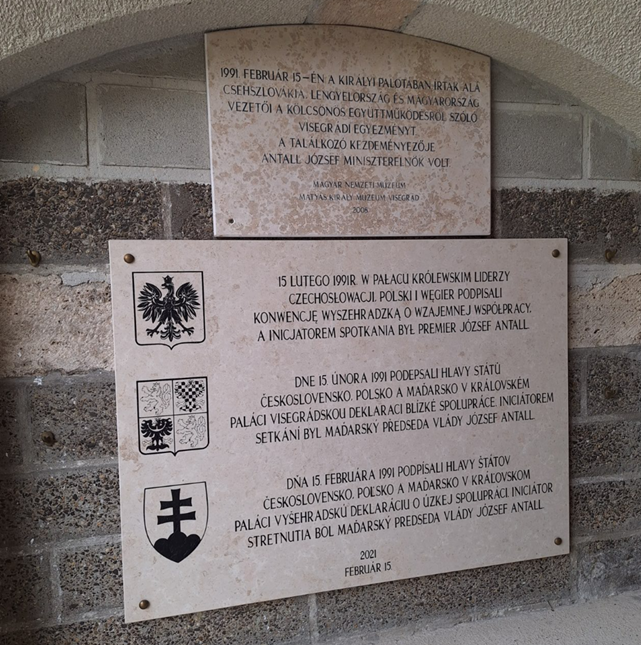
The Visegrad Group (V4) is celebrating its 35th anniversary, marking more than three decades of political and regional cooperation in Central Europe. For the past 25 years, the Visegrad Fund has served as the only institutionalized platform supporting cooperation among the V4 countries.
While closely connected, the Visegrad Group and the Visegrad Fund are not the same entity.
Founded in 1991, the Visegrad Group is a political alliance of four Central European countries: Czechia, Hungary, Poland, and Slovakia. The alliance aims to strengthen cooperation in key areas such as security, economic development, culture, and energy, while also supporting regional cooperation with the Western Balkans and the Eastern Partnership region. All four countries are members of the European Union, the North Atlantic Treaty Organization, and the Three Seas Initiative.
Established in 2000, the Visegrad Fund is an international organization created by the governments of the Visegrad Group countries. The Fund supports regional cooperation among civil society organizations, educational and research institutions, regions, and cities by promoting dialogue, exchange, and mutual understanding. This is made through grants, scholarships, and artist residencies.
The Visegrad Fund supports innovative projects and original solutions in seven key areas: Culture and Common Identity; Education and Capacity Building; Innovation, Research and Development, and Entrepreneurship; Democratic Values and Media; Public Policy and Institutional Partnership; and Regional Development, Environment, Tourism, and Social Development.


